
automation
What Real Lead Automation Looks Like, End to End

What Happens When a Message Comes In at 9:00 PM
A customer writes on WhatsApp at 9:00 PM. You’re in the middle of dinner, or at work, or just not near your phone. In the morning you reply, but he’s already talked to two other suppliers.
This isn’t a story about bad service. It’s a story about pace. An inquiry answered within minutes closes much better than one answered the next day. Lead automation isn’t meant to replace you. It’s meant to hold those minutes until you’re free.
Step 1: Immediate Intake
The first step is the simplest, and the most important. Every inquiry gets a response within seconds, even at night, even on Saturday.
The response doesn’t try to sell. It says who you are, what you do, and asks two short questions. For example, in a ceramics shop: what are you looking for, and when is a good time to get back to you.
Without this step, the rest of the system is worth nothing. Because a lead that isn’t captured in time simply gets lost.
Step 2: Automatic Triage
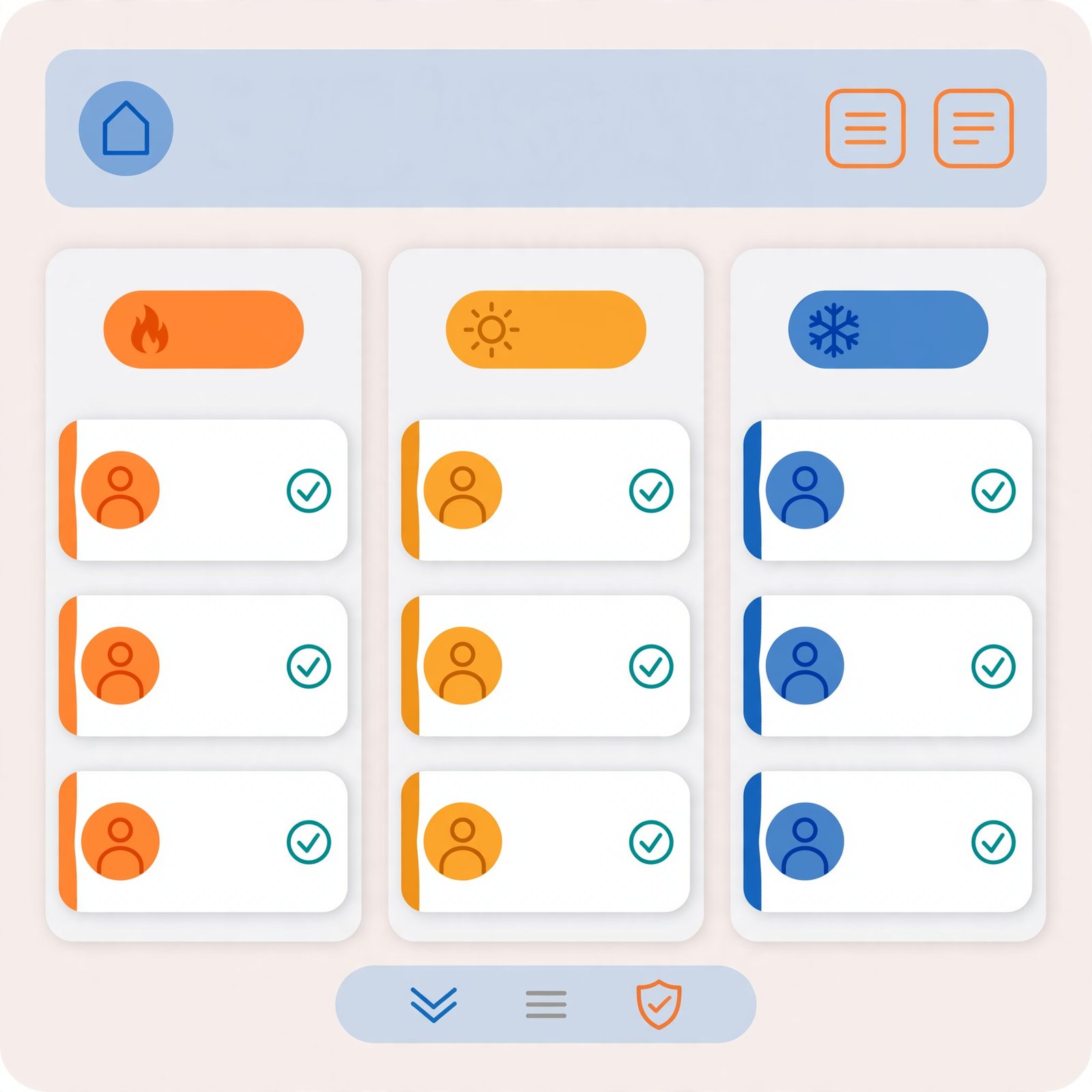
After the customer replies, the system sorts him. Hot, interested, or not relevant right now.
This isn’t AI magic. It’s a few simple rules we built in advance according to the business. A customer asking about price and availability this week is hot. A customer asking a general question without urgency is interested. A spam message is not relevant.
This triage saves you the most expensive thing: time on leads that won’t close. You come in the morning and see an organized list, not 30 unread messages.
Step 3: Logging in the CRM
Every inquiry is automatically written to an organized leads table. Name, phone, what he was looking for, what the status is, and when to get back to him.
Without copying anything by hand. Without notes. Without relying on memory. And without the details living only on one person’s phone in the business.
This sounds boring, and that’s exactly the point. Most of the money lost in small businesses is lost here. Not because there are no customers, but because there’s no record. A customer who isn’t recorded doesn’t exist. A customer who is recorded gets attention. And when there’s orderly record-keeping, you can also see which channel brings good leads and which one wastes time.
Step 4: Timely Reminder
The last step is the one that closes deals. If a customer hasn’t replied for three days, the system sends a short reminder. If a call was scheduled, the system reminds you to call.
This is where the easy money is. The customer already knows you, already talked to you. He just forgot, or got delayed. One timely reminder brings him back to the conversation.
Without automation, these reminders don’t happen. Not because you’re lazy, but because you have twenty other things on your mind.
How It Looks Together
Let’s connect the four steps into one example.
Tuesday, 9:14 PM. A customer writes on WhatsApp. Within ten seconds he gets a response and two short questions. He replies. The system marks him as hot and writes him to the table. In the morning you open the table, see a hot lead with all the details, and call. He doesn’t answer. After three days he gets an automatic reminder, replies, and you close.
No step here is brilliant. Each step on its own is simple. Together, it’s a pipeline that doesn’t lose leads.
What It Isn’t
It’s important to me to also say what this isn’t. It’s not a chatbot trying to convince a customer to buy. It doesn’t replace a human conversation. And it doesn’t work without a clear process in advance.
If you don’t have an answer to the question of what happens after the customer replies, automation won’t invent it for you. First you define a simple process, then you build it in the system.
And even after it works, it needs maintenance. Numbers change, messages get updated, sometimes WhatsApp changes the rules. A good system keeps working because someone maintains it, not because it was built once and forgotten.
Do You Need This
There’s a simple test. Answer two questions.
How many inquiries come in to you per week. And how many of them don’t get a response within an hour.
If the answer to the second question is regularly more than zero, you have a leak in the pipeline. You don’t need a huge system to plug it. You need four steps that work.
The Bottom Line
Real lead automation isn’t impressive technology. It’s a work routine. Intake, triage, logging, reminder. Every inquiry comes in, is documented, and is handled on time.
If you want to see how this looks on your business, talk to me. A short call, no commitment. I’ll tell you honestly if it’s worth it for you, and if so, you’ll get a fixed price in writing before we start.
Want to see how this works in your business?
A short call, no obligation. We'll figure out where leads fall through: and make a decision.
Contact meRead also: How Much Is It Costing You Not to Do Automation? · The most advanced AI has become open. What does that mean for your business?